How to Choose the Right Market Channels for Your Micro-SaaS
Choosing the right market channels can make or break your micro-SaaS growth. This guide helps indie founders evaluate and select the most effective channels for their specific product and audience.

How to Choose the Right Market Channels for Your Micro-SaaS
The right market channels are the pathways that connect your micro-SaaS with paying customers, but choosing them isn't about copying what worked for someone else. It's about understanding your specific audience, product, and resources to create a channel mix that actually drives sustainable growth. Most indie founders waste months trying every channel instead of focusing on the few that matter for their business.
The Channel Selection Framework That Actually Works
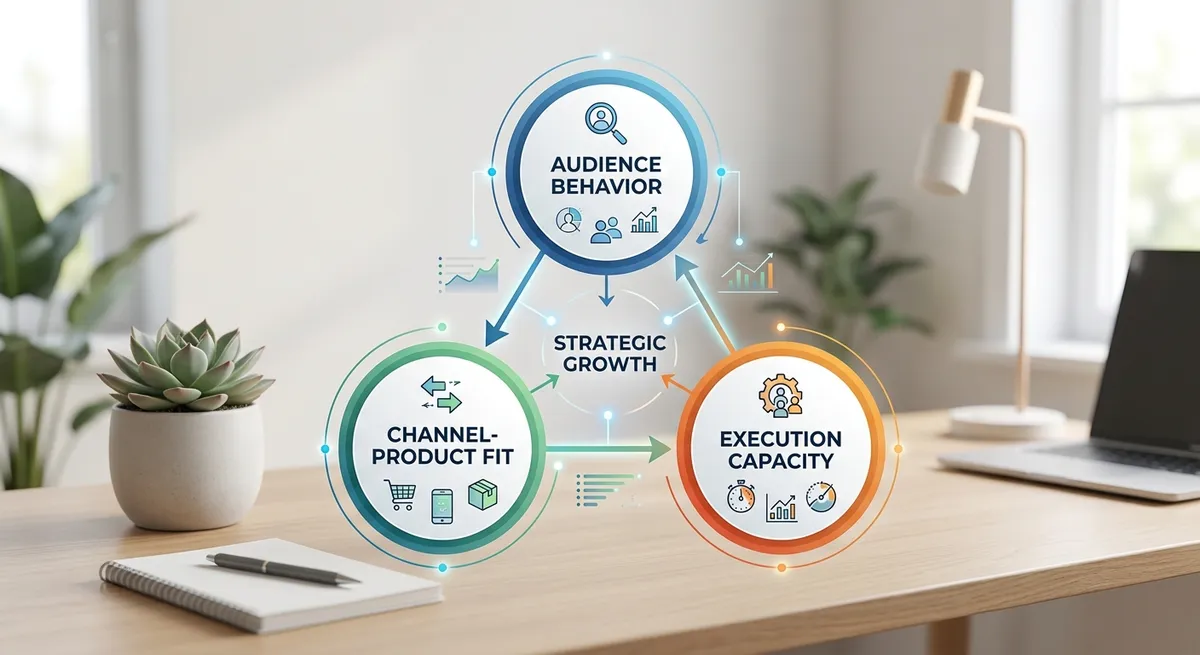
Before diving into specific channels, you need a systematic approach to evaluate which ones deserve your limited time and budget. The best channel selection starts with three key factors: audience behavior, channel-product fit, and your execution capacity.
Start by mapping where your ideal customers actually spend time and how they discover solutions. If you're building a developer tool, your audience likely hangs out on GitHub, Stack Overflow, and specific Discord communities. If you're targeting small business owners, they might be more active on LinkedIn or industry-specific forums.
Next, consider channel-product fit. Some products naturally lend themselves to certain channels. Visual products work great on social media, while technical solutions might perform better through content marketing and developer communities. The key is matching your product's story to the channel's strengths.
Primary Market Channels Every Micro-SaaS Should Consider
Content Marketing and SEO
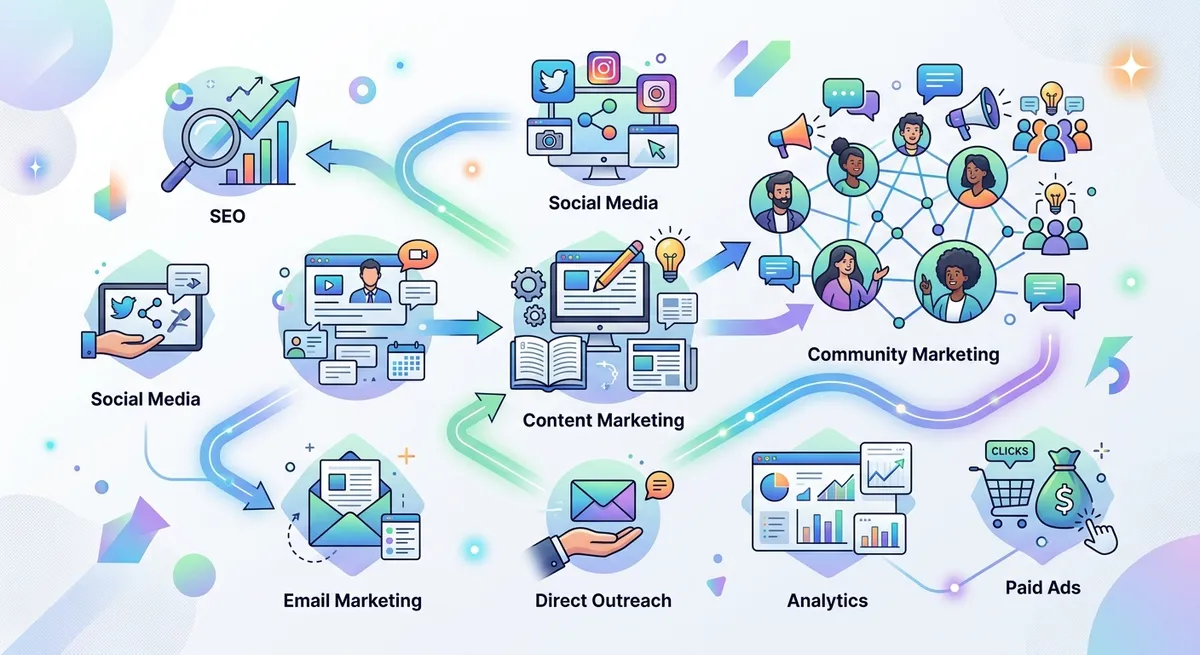
Content marketing remains one of the most effective market channels for micro-SaaS because it builds trust and educates potential customers about problems they might not even know they have. The beauty of content marketing is that it compounds over time – every piece of quality content can continue driving traffic and leads for months or years.
Focus on creating content that directly addresses your customers' pain points. If you're building project management software for freelancers, write about productivity tips, client management strategies, and common freelancer challenges. This approach helps you create customer-driven marketing strategies that resonate with your audience's real needs.
Community-Based Marketing
Community marketing is often overlooked but incredibly powerful for micro-SaaS. It's about becoming a valuable member of communities where your customers gather, not just promoting your product. This channel works especially well because it builds relationships and trust before selling.
Identify 3-5 communities where your ideal customers are active. Join discussions, answer questions, and share valuable insights. Only mention your product when it genuinely solves someone's specific problem. This organic approach to marketing for saas often converts better than traditional advertising because it's based on real relationships and trust.
Direct Outreach and Sales
Direct outreach might feel uncomfortable, but it's one of the fastest ways to validate your market channels and get early customers. For micro-SaaS, this doesn't mean cold calling hundreds of prospects – it means thoughtful, personalized outreach to people who clearly fit your ideal customer profile.
Secondary Channels That Can Accelerate Growth
Paid Advertising
Paid advertising can accelerate growth once you've validated your core market channels and have a clear understanding of your customer acquisition costs. Start small with platforms where your audience is most active.
For B2B micro-SaaS, LinkedIn and Google Ads often work well. For consumer products, Facebook and Instagram might be more effective. The key is starting with a small budget, testing thoroughly, and only scaling what's profitable.
Partnership and Integration Marketing
Partnerships can be incredibly powerful market channels for micro-SaaS, especially when you integrate with tools your customers already use. These partnerships can range from simple integrations to full co-marketing relationships.
Look for non-competitive tools that serve the same audience. If you're building an analytics tool, partnering with project management or CRM platforms could create natural referral opportunities.
Email Marketing and Automation
Email marketing remains one of the highest ROI market channels, but it requires a systematic approach to list building and nurturing. The key is creating valuable content that people actually want to receive, not just promotional messages.
Develop campaign ideas that provide real value – weekly tips, industry insights, case studies, or exclusive content. Email automation can help you nurture leads through your sales funnel without constant manual effort.
How to Test and Optimize Your Channel Mix
Setting Up Proper Measurement
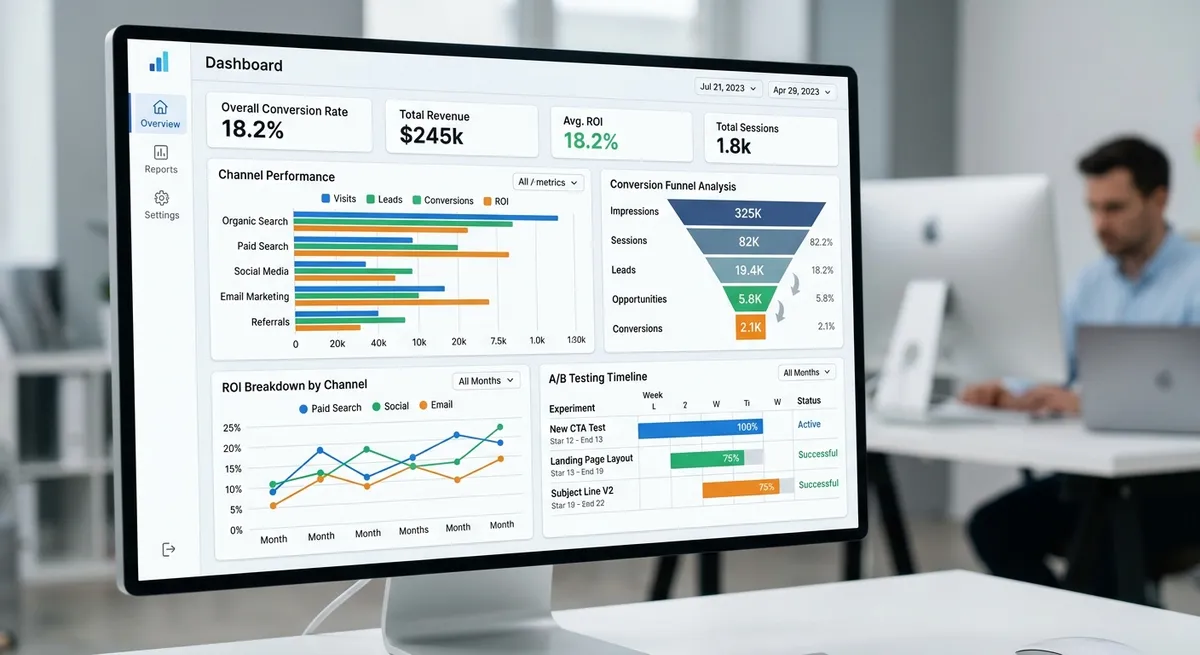
You can't optimize what you don't measure. Set up tracking for each channel from day one, including cost per acquisition, lifetime value, and conversion rates. This data will help you make informed decisions about where to double down and where to cut losses.
Use UTM parameters, set up proper analytics, and track leads through your entire funnel. Many founders make the mistake of only tracking vanity metrics like website traffic instead of focusing on revenue-generating activities.
The Testing Framework
Test one channel at a time with a clear hypothesis and timeline. Give each channel enough time and resources to generate meaningful data – usually 4-8 weeks depending on your sales cycle.
Document what you learn from each test, including what worked, what didn't, and why. This knowledge becomes invaluable when you're ready to develop your go to market strategy and scale successful channels.
Common Channel Selection Mistakes to Avoid
The biggest mistake indie founders make is trying to be everywhere at once. It's better to dominate 2-3 channels than to have a weak presence across 10 channels. Focus creates expertise, and expertise drives results.
Another common mistake is abandoning channels too quickly. Many market channels require time to build momentum, especially content marketing and community building. Give each channel enough time to prove itself before moving on.
Don't fall into the trap of choosing channels based on what's trendy or what worked for other companies. Your customers, product, and resources are unique. What matters is finding the channels that work for your specific situation.
Finally, avoid the mistake of not connecting your channel selection to your overall product launch strategy. Your channels should work together to create a cohesive customer journey from awareness to purchase.
Key Takeaways
• Start with a systematic channel selection framework based on audience behavior, channel-product fit, and your execution capacity • Focus on 2-3 primary market channels rather than spreading yourself thin across many channels • Content marketing and community-based marketing are particularly effective for building trust and educating potential customers • Test each channel systematically with clear hypotheses, proper measurement, and adequate time for results • Avoid the common mistakes of trying to be everywhere at once and abandoning channels too quickly • Connect your channel selection to your overall go-to-market strategy for maximum effectiveness • Remember that the best channels for your micro-SaaS are the ones where your specific customers actually spend time and discover solutions