The Micro-SaaS Founder's Guide to Tracked Links That Actually Drive Growth
Tracked links are the secret weapon micro-SaaS founders need to understand what's actually working in their marketing. This guide shows you how to implement and leverage them for real growth insights.

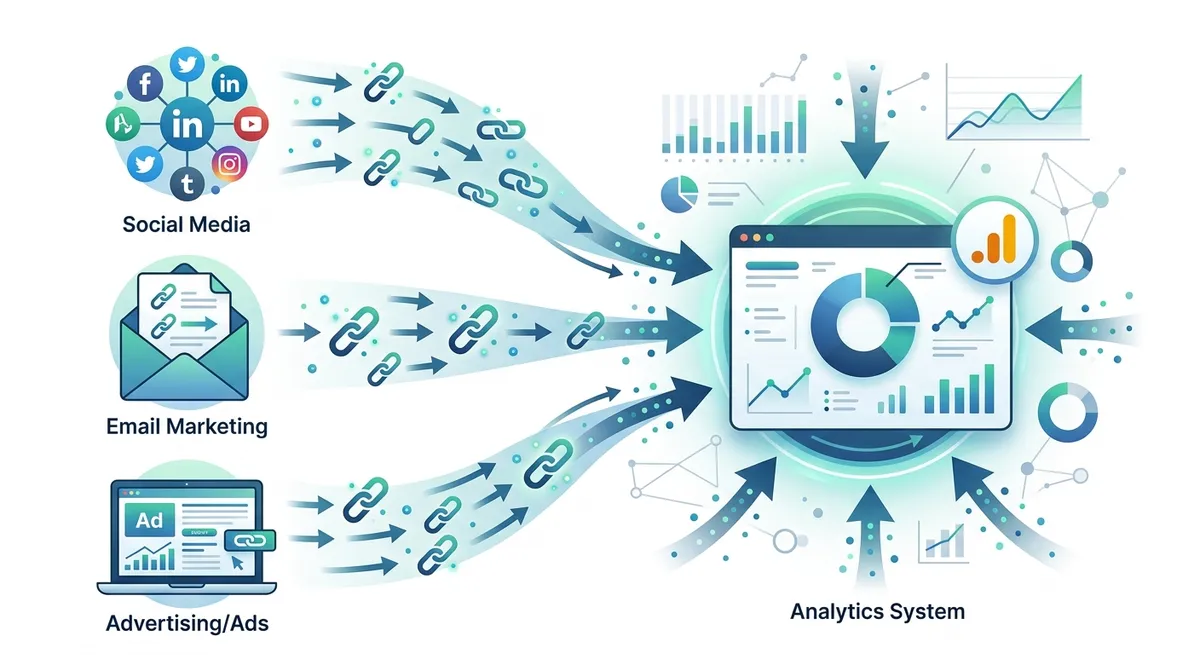
Tracked links are specialized URLs that capture data about who clicks them, where they come from, and what they do next on your site. For micro-SaaS founders juggling multiple marketing channels on tight budgets, tracked links provide the clarity you need to see which efforts actually convert visitors into paying customers. They're your direct line to understanding what's working and what's burning through your precious time and money.
Why Tracked Links Are Essential for Your Marketing System
As an indie founder, you're probably running ads on Twitter, sharing content on LinkedIn, sending newsletters, and posting in communities—all while trying to figure out which activities actually move the needle. Without tracked links, you're essentially flying blind.
Traditional analytics tell you someone visited your pricing page, but tracked links tell you they came from that specific tweet you posted last Tuesday at 2 PM. This granular insight transforms how you approach marketing for saas products because you can double down on what works and eliminate what doesn't.
The beauty of tracked links lies in their simplicity. You don't need a massive marketing team or enterprise-level tools. You can start implementing them today with basic URL parameters and gradually build more sophisticated tracking as your micro-SaaS grows.
Setting Up Your First Tracked Links Campaign
Start with UTM parameters—the foundation of any solid tracking system. These small additions to your URLs tell Google Analytics (and other tools) exactly where your traffic originated.
The Five UTM Parameters You Need
Source (utm_source): Where the click came from (twitter, linkedin, newsletter)
Medium (utm_medium): The type of marketing (social, email, cpc, organic)
Campaign (utm_campaign): The specific campaign name (product-launch-week-1, feature-announcement)
Term (utm_term): Keywords for paid search (optional for organic campaigns)
Content (utm_content): To differentiate similar links in the same campaign
Here's what a properly tracked link looks like:
https://yourmicroSaaS.com/signup?utm_source=twitter&utm_medium=social&utm_campaign=feature-launch&utm_content=hero-button
Tools That Make Link Tracking Effortless
Google's Campaign URL Builder is free and perfect for getting started. For more advanced needs, tools like Bitly, Rebrandly, or UTM.io offer branded short links and better organization.
The key is consistency. Develop naming conventions early—use lowercase, hyphens instead of spaces, and descriptive names you'll understand six months later.

Tracking What Matters: Beyond Vanity Metrics
Clicks are nice, but conversions pay the bills. Your tracked links should focus on the metrics that directly impact your micro-SaaS growth.
The Three Conversion Events to Track
Trial Signups: The most critical metric for most micro-SaaS products. Track which channels drive the highest-quality trial users.
Feature Adoption: If someone clicks through to learn about a specific feature, did they actually use it after signing up? This insight helps you understand which marketing messages resonate.
Paid Conversions: The ultimate goal. Which tracked links lead to actual paying customers, not just trial users who churn after day one?
Setting Up Conversion Tracking
Google Analytics 4 goals are your friend here. Set up events for each conversion type and connect them back to your UTM parameters. This creates a clear path from marketing activity to revenue impact.
For micro-SaaS founders, I recommend focusing on assisted conversions too. Someone might discover you through a Twitter post but convert after reading three blog articles. Tracked links help you see these multi-touch journeys.
Advanced Strategies for Micro-SaaS Growth
Once you've mastered basic tracking, these advanced techniques can unlock serious growth insights.
Campaign-Specific Landing Pages
Don't send all your tracked links to your homepage. Create dedicated landing pages that match your campaign messaging. A tracked link from your "automation features" email should land on a page highlighting automation, not your generic product tour.
This approach improves conversion rates and gives you cleaner data about what messaging resonates with different audience segments.
Cohort Analysis with Tracked Links
Segment users by their original traffic source and analyze their behavior over time. Do users from Product Hunt have higher lifetime value than those from Twitter? Do newsletter subscribers churn less than social media visitors?
This analysis helps you allocate marketing budget more effectively and can inform your entire go to market strategy.
A/B Testing Your Marketing Messages
Use tracked links to test different value propositions. Send half your email list to a page emphasizing time savings (utm_content=time-saver) and half to one highlighting cost reduction (utm_content=cost-saver). The conversion data tells you which message resonates.
Common Mistakes That Kill Your Tracking
Even experienced founders make these tracking errors that render their data useless.
Inconsistent Naming Conventions
Using "Twitter," "twitter," and "TWITTER" as source values creates three separate data points instead of one clear picture. Establish conventions early and document them.
Over-Parameterization
Don't create unique UTM combinations for every single post or email. You'll end up with hundreds of campaigns with one or two clicks each, making analysis impossible. Group similar activities under broader campaign names.
Forgetting Mobile Considerations
Your beautifully tracked links might break when shared on mobile apps. Test your links across platforms and consider using link shorteners that preserve tracking parameters.
Scaling Your Tracking as You Grow
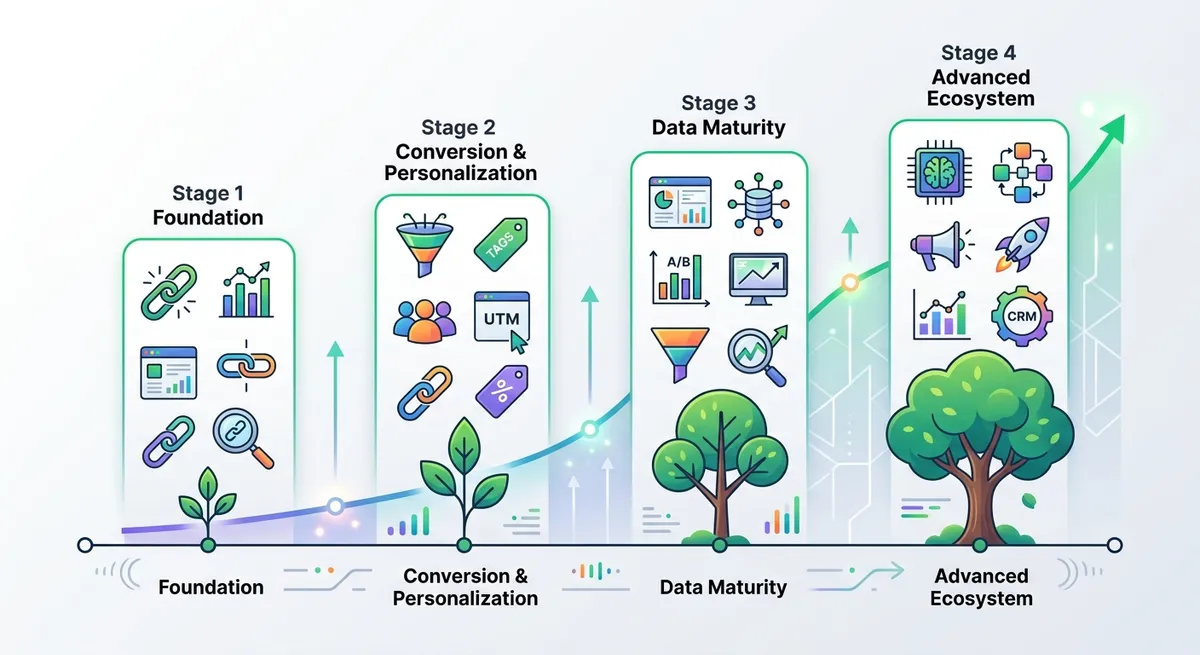
As your micro-SaaS gains traction, your tracking needs will evolve. Here's how to scale without losing the simplicity that makes tracking actionable.
Integration with Your Product Analytics
Connect your marketing attribution data with product usage data. Tools like Mixpanel or Amplitude can tie a user's original traffic source to their in-app behavior, giving you the complete picture from first click to power user.
Automated Reporting
Set up automated reports that deliver key insights weekly. You want to see which traffic sources drove the most trials, conversions, and revenue without manually pulling data every time. This systematic approach becomes crucial when planning your next product launch strategy.
Team Collaboration
If you're growing beyond a solo founder, create shared tracking guidelines. Everyone adding links to campaigns should follow the same conventions, and everyone should understand how to interpret the data.
Turning Data Into Decisions
The best tracked links in the world won't help if you don't act on the insights. Here's how to translate your tracking data into growth decisions.
Weekly Data Reviews
Schedule 30 minutes every week to review your tracked link performance. Look for patterns: Which channels consistently drive quality users? Which campaigns had great click-through rates but poor conversions?
Budget Reallocation
Use your tracking data to shift marketing spend toward channels that actually work. If LinkedIn posts drive 3x more qualified leads than Twitter ads, adjust accordingly.
Content Strategy Optimization
Your tracked links reveal which topics and formats resonate with your audience. If "productivity tips" consistently outperform "feature updates," lean into content that serves your audience's needs. This insight becomes invaluable for developing customer-driven marketing strategies.
Key Takeaways
• Tracked links provide essential clarity for micro-SaaS founders to understand which marketing efforts actually drive growth and conversions • Start with basic UTM parameters and consistent naming conventions before advancing to complex tracking systems • Focus on conversion metrics that matter—trial signups, feature adoption, and paid conversions—rather than vanity metrics like clicks • Create campaign-specific landing pages and use cohort analysis to maximize the value of your tracking data • Avoid common mistakes like inconsistent naming, over-parameterization, and neglecting mobile compatibility • Scale your tracking system gradually by integrating with product analytics and setting up automated reporting • Most importantly, act on your data with weekly reviews and budget reallocation based on what actually drives results